Navigate. Advocate. Thrive.
Search articles, tools, and real-world guidance to take charge of your care.
For informational purposes only, not meant to be medical advice

A legacy will shares the stories, values, and memories that legal documents cannot. Here’s how to create one and make sure the people you love can find it.

Every Transition Needs a Healthcare Checkpoint
Moving between states, sending a student to school, or managing insurance changes can expose gaps in a healthcare plan. A simple healthcare checkpoint can prevent confusion before a transition.

Insurance Across State Lines: What Works Here May Not Work There
If you split your time between two states, your insurance card may travel—but your coverage may not. Learn what snowbirds should verify before the next move.

Snowbirds plan carefully for life in two places, but healthcare paperwork can easily be overlooked. Learn why advance directives, medication lists, and emergency plans need to travel, too.

Podcasts: Health Information You Can Take With You 🎧
Podcasts can be a helpful way to learn about health, caregiving, medications, and aging. Learn how to choose trusted sources and ask better questions.

Whooping Cough Is Back — And It’s Not Just a Kid Problem 😷
Whooping cough is not just a childhood illness. Learn the symptoms of pertussis, who is most at risk, and why Tdap vaccine protection matters for babies, adults, and vulnerable family members.

Independence Isn’t Doing Everything Alone: How Support Helps Seniors Age in Place
Independence does not mean doing everything alone. Learn how recognizing early warning signs and accepting the right support can help older adults remain safe, respected, and in control longer.

Walking Tai Chi for Seniors: Helpful Exercise or Social Media Hype?
Walking Tai Chi is showing up everywhere online, promising better balance, mobility, and confidence. But is it actually helpful for older adults or just another wellness trend? Here's what the evidence says.

Different Problems. Same Root Issue.
Healthcare decisions are often made in pieces—but the real risk is what gets missed in between. From medications to sleep issues to advance care planning, here's why stepping back to see the full picture matters.
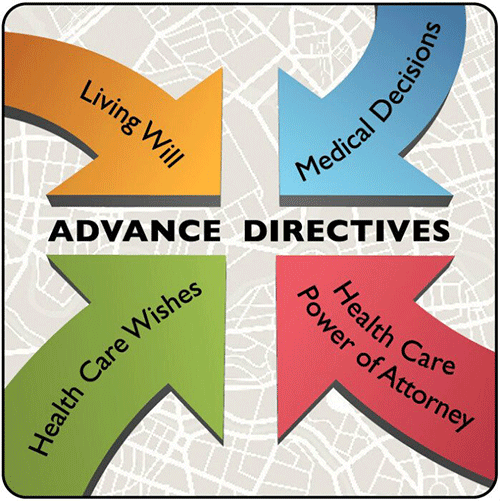
Advance directives aren’t about dying. They’re about decision-making.
Advance directives are not about preparing for death—they’re about protecting your voice during a medical crisis. Learn why every adult needs key healthcare decision-making documents in place before they’re needed.
Cancer, mental health, research overload, and transitions of care all point to the same need
Cancer, mental health, research overload, and transitions of care all reveal the same issue—healthcare decisions become overwhelming without clear coordination. Here’s when to pause and seek support.

How to Research a Health Condition Without Getting Misinformed
Trusted sites, smarter AI prompts, and knowing when research is no longer useful.
Unsafe Discharges: What Every Patient Should Know
Unsafe discharges happen more often than you think. Learn how to spot the warning signs, what questions to ask, and how to make sure your discharge is safe.

Hospital to Home: Where Things Go Wrong
Transitions of care are one of the most dangerous moments in healthcare. When patients move from hospital to home, details can fall through the cracks—medications change, instructions get rushed, and follow-up plans aren’t always clear. Knowing what to watch for can prevent serious problems.
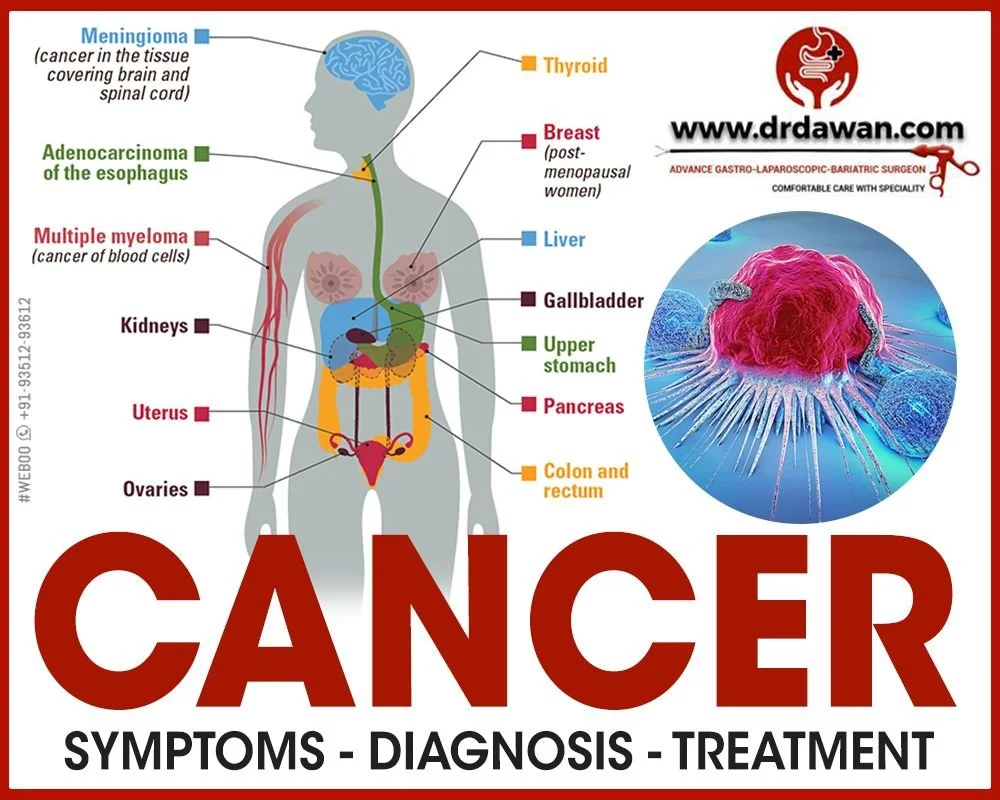
NEW CANCER DIAGNOSIS? ASK THESE QUESTIONS FIRST
When you hear the word “cancer,” decisions feel urgent. Before you agree to anything, ask these essential questions first.

Medical Red Flags: Why You Need an Advocate Before Things Go Sideways
Most people hire a patient advocate after something goes wrong. This guide explains the medical red flags you should never ignore—and why proactive healthcare planning prevents costly mistakes.

Disaster Proof Your Health
When disaster hits—weather, power outages, evacuations—your health doesn’t get a pause button. If you rely on medications, medical devices, or regular care, preparation isn’t optional. It’s survival.

CCRCs: What They Are—and What to Look at Before You Sign Anything
Continuing Care Retirement Communities (CCRCs) promise aging in place, predictability, and peace of mind—but the details matter. Learn what CCRCs really offer, what to look for in contracts, and the red flags to watch for before you sign anything.

Estate Executors: The Job No One Explains (Until It’s Too Late)
Most people name an executor and move on. Few understand what they’ve actually asked that person to do. An estate executor is responsible for carrying out your wishes after death—and it’s often a heavier job than people expect.

Use It or Lose It: Strength & Balance After 50
For adults 50+, weight-bearing activity and strength training aren’t optional: they help slow bone loss, build muscle, improve balance, and reduce fall risk.