
Navigate. Advocate. Thrive.
Search articles, tools, and real-world guidance to take charge of your care.
For informational purposes only, not meant to be medical advice

Snowbirds plan carefully for life in two places, but healthcare paperwork can easily be overlooked. Learn why advance directives, medication lists, and emergency plans need to travel, too.

Podcasts: Health Information You Can Take With You 🎧
Podcasts can be a helpful way to learn about health, caregiving, medications, and aging. Learn how to choose trusted sources and ask better questions.

Levothyroxine With Breakfast? Maybe. But Don’t Wing It. ☕
Taking levothyroxine with breakfast may work for some people—but only with an adjusted dose, a consistent routine, and follow-up monitoring. Here’s what to discuss with your prescriber before changing how you take your thyroid medication.

Whooping Cough Is Back — And It’s Not Just a Kid Problem 😷
Whooping cough is not just a childhood illness. Learn the symptoms of pertussis, who is most at risk, and why Tdap vaccine protection matters for babies, adults, and vulnerable family members.

Independence Isn’t Doing Everything Alone: How Support Helps Seniors Age in Place
Independence does not mean doing everything alone. Learn how recognizing early warning signs and accepting the right support can help older adults remain safe, respected, and in control longer.

Medication Review: The Thread Running Through Every Healthcare Decision
This month's topics seemed unrelated—until you look at the medication list. Learn why a medication review can connect the dots between symptoms, treatments, and better healthcare decisions.

The Best Sunscreen for Older Adults: SPF, Sunscreen, and What You Actually Need
Choosing sunscreen shouldn't feel overwhelming. Learn what SPF really means, the difference between mineral and chemical sunscreen, and how to choose the best sunscreen for older adults.

Walking Tai Chi for Seniors: Helpful Exercise or Social Media Hype?
Walking Tai Chi is showing up everywhere online, promising better balance, mobility, and confidence. But is it actually helpful for older adults or just another wellness trend? Here's what the evidence says.
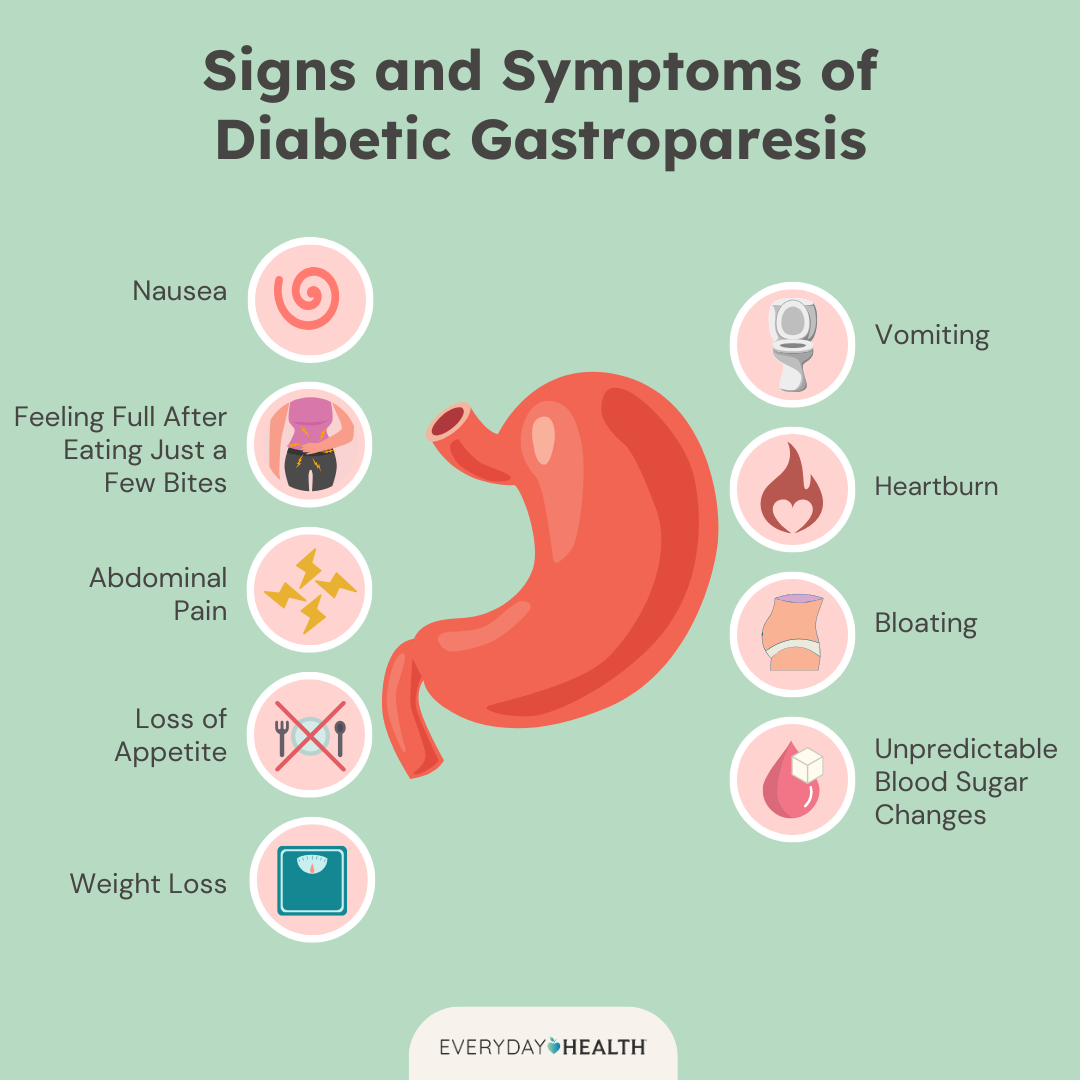
Feeling Full, Bloated, or Nauseated? It May Not Be “Just Aging”
Digestive symptoms like bloating, nausea, reflux, and feeling full quickly are common in older adults—but they shouldn't automatically be blamed on aging. Learn how gastroparesis, medications, and other health conditions may be contributing and what steps can help.

The Shingles Vaccine May Do More Than Prevent a Painful Rash
Research suggests shingles vaccination may be linked to lower dementia risk. Learn what older adults and caregivers should know about Shingrix, prevention, and vaccine records.
Can't See the Forest for the Trees: Polypharmacy in Older Adults
Medication problems rarely happen because of one decision. Learn how polypharmacy in older adults develops when small issues quietly stack up over time.
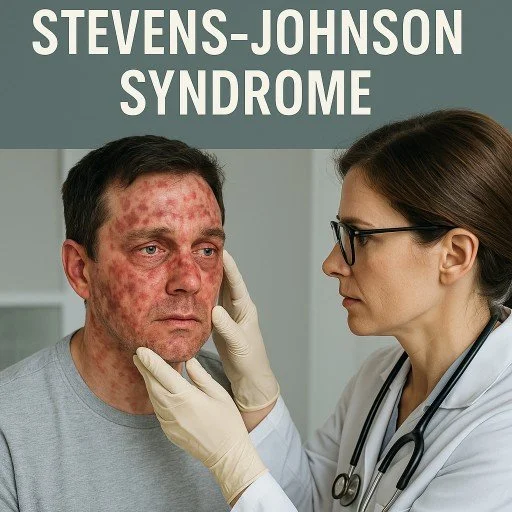
When It’s Not “Just a Rash”
A rash after starting an antibiotic may be harmless—or it may be a warning sign of a serious drug reaction. Learn what to watch for and when to seek help.

Build Your Medicine Cabinet with Intention
A full medicine cabinet doesn't always mean you're prepared. Learn how to create a safer, smarter medicine cabinet that supports medication safety and reduces risks for older adults.

“I’ve taken this for years. It works. Why would I stop now?”
Many older adults have taken medications like Xanax, Ativan, or Valium for years without obvious problems. But growing evidence shows that long-term benzodiazepine use may carry significant risks for older adults. Here's what families need to know.

Different Problems. Same Root Issue.
Healthcare decisions are often made in pieces—but the real risk is what gets missed in between. From medications to sleep issues to advance care planning, here's why stepping back to see the full picture matters.

Sleep Changes with Age: When to Look Beyond Medication
Sleep patterns change as we age, but relying on medication isn’t always the safest solution. Learn what might really be disrupting sleep and how to address it.
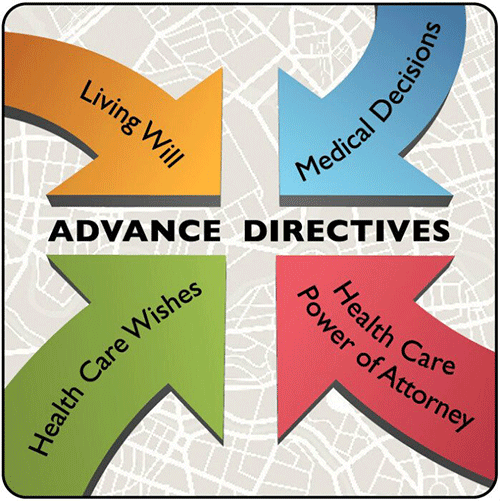
Advance directives aren’t about dying. They’re about decision-making.
Advance directives are not about preparing for death—they’re about protecting your voice during a medical crisis. Learn why every adult needs key healthcare decision-making documents in place before they’re needed.
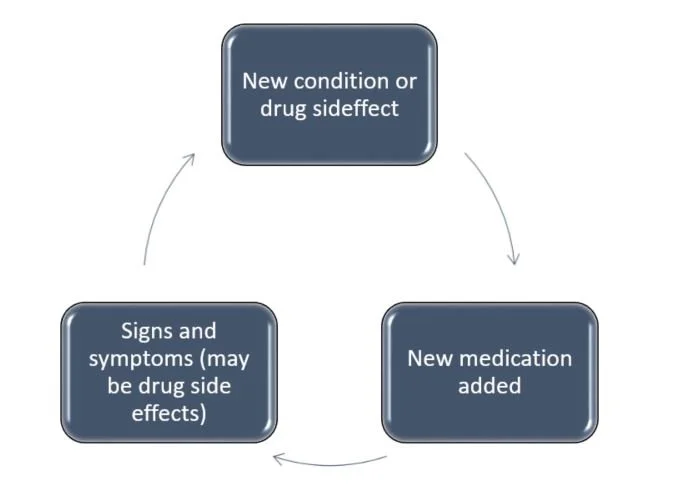
When Side Effects Turn Into New Diagnoses
The Prescribing Cascade: When the Fix Becomes the Problem
Cancer, mental health, research overload, and transitions of care all point to the same need
Cancer, mental health, research overload, and transitions of care all reveal the same issue—healthcare decisions become overwhelming without clear coordination. Here’s when to pause and seek support.
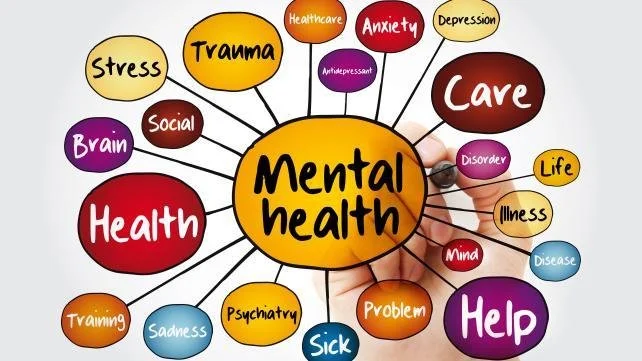
🧠 Mental Health Care: What to Watch, What to Question
Mental health care isn’t always straightforward. When medications change, providers don’t communicate, or concerns get dismissed, risks increase. Here’s what to watch for, what to question, and when to pause for safer, more coordinated care.