
Walking Tai Chi for Seniors: Helpful Exercise or Social Media Hype?
Walking Tai Chi has been flooding my social media feed lately. You may have seen it too.
Slow steps. Gentle movement. Deep breathing. Calm music. Promises of better balance, better mobility, less stress, and more energy. And whenever something suddenly shows up everywhere online, I have the same question:
Is this actually helpful, or did the internet just put a wellness bow on walking?
The answer is: maybe a little of both.
Walking Tai Chi for seniors is not magic. It will not rebuild your knees, erase chronic illness, or turn five minutes of movement into the fountain of youth, but it may be a very reasonable way for some older adults to start moving more safely.
What Is Walking Tai Chi?
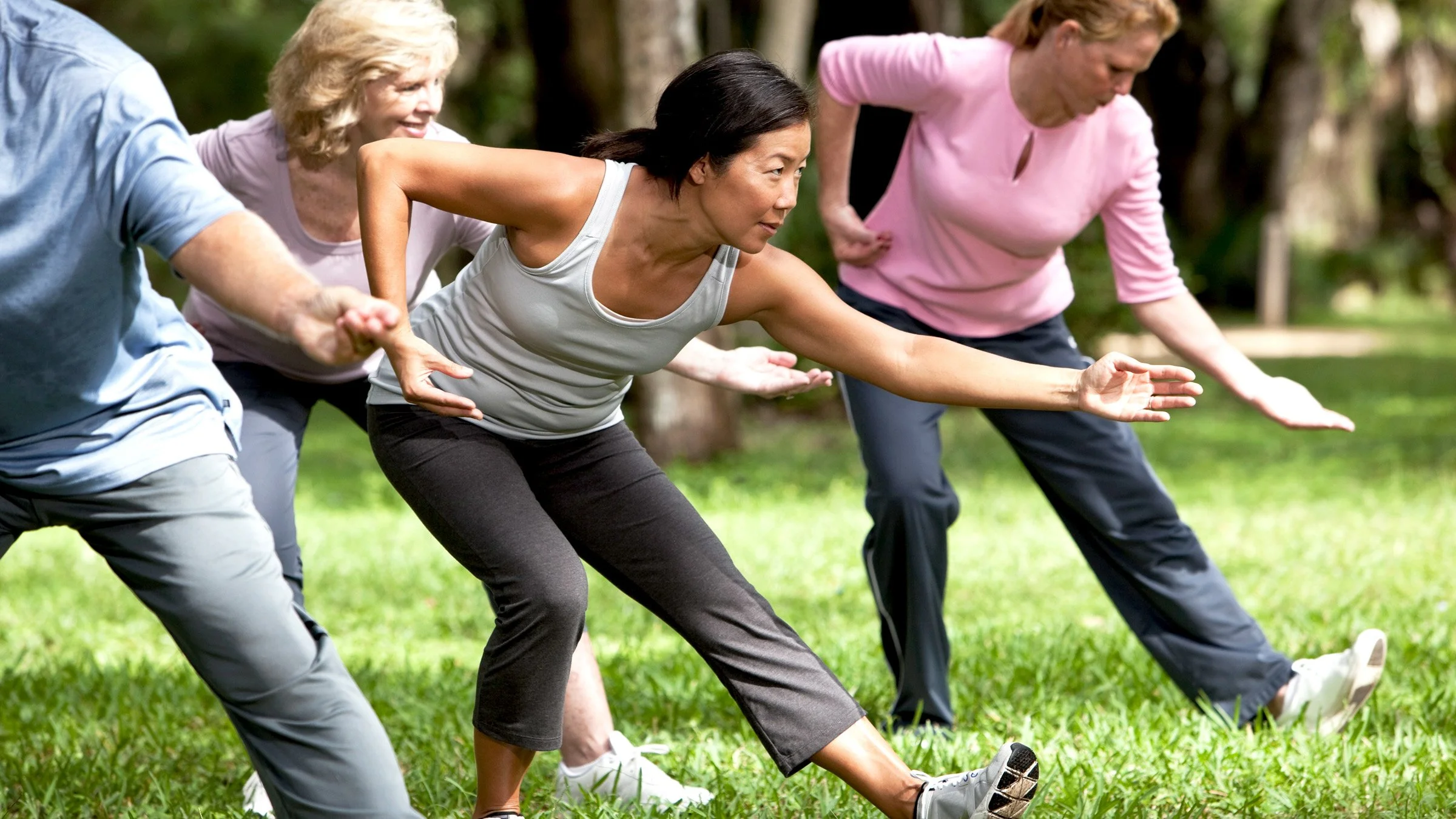
Walking Tai Chi combines slow, intentional walking with Tai Chi principles like posture, balance, controlled movement, breathing, and awareness of weight shifting.
In plain English?
You are not just walking. You are paying attention to how you walk.
That matters, because balance is not only about strong legs. It also involves coordination, posture, body awareness, reaction time, confidence, and practice.
What Does the Evidence Say About Tai Chi for Balance?
Most of the research is on Tai Chi itself, not the exact social media version called "Walking Tai Chi." And that distinction matters.
Tai Chi has been studied for older adults, especially for balance and fall prevention. The CDC recognizes Tai Ji Quan: Moving for Better Balance as an evidence-based fall prevention program for older adults.
A 2023 review found Tai Chi can help improve balance and reduce fall risk in older adults, including people who are healthy and those at higher risk of falling.
So while the trendy videos may be new, the idea behind slow, mindful movement is not.
That is the part I like.
Who Might Benefit From Walking Tai Chi?
Walking Tai Chi may be helpful for people who:
Do not exercise much right now
Feel stiff or unsteady
Need a low-impact way to move
Are intimidated by gyms or exercise classes
Want to work on balance without “working out” hard
Need something they can do at home
For someone who is mostly sedentary, even a few minutes of safe movement can be a meaningful starting point.
And starting point is the key phrase.
Not finish line.
How to Exercise Safely With Balance Problems
Walking Tai Chi is gentle, but gentle does not mean risk-free.
If you have frequent falls, dizziness, fainting, new weakness, neuropathy, severe arthritis pain, recent surgery, unstable blood pressure, or chest pain or shortness of breath with activity, talk with your healthcare provider or physical therapist before starting.
If it feels safe to try, start small. Try 2 to 5 minutes near a counter, sturdy chair, or wall. Wear supportive shoes, keep your steps short, and move slowly. Focus on shifting your weight before lifting your foot.
STOP if you feel dizzy, weak, short of breath, unsteady, or unsafe.
Please do not practice near throw rugs, pets, stairs, clutter, or anything with a personal vendetta against ankles.
Need Help Sorting Through What Is Safe?
If you or someone you care for is struggling with mobility, falls, medications that cause dizziness, or uncertainty about what kind of movement is safe, that is worth a closer look.
In an Ask the Advocate session, we can help organize the concerns, review medications that may affect balance, and identify questions to bring to your healthcare team.
Cheers!
Dr. T