
Disaster Proof Your Health
When disaster hits—weather, power outages, evacuations—your health doesn’t get a pause button. If you rely on medications, medical devices, or regular care, preparation isn’t optional. It’s survival.
After watching so many natural disasters happening across our country over the past year, I felt compelled to write this newsletter. I want you all to be prepared.
What Every Health Disaster Kit Must Include
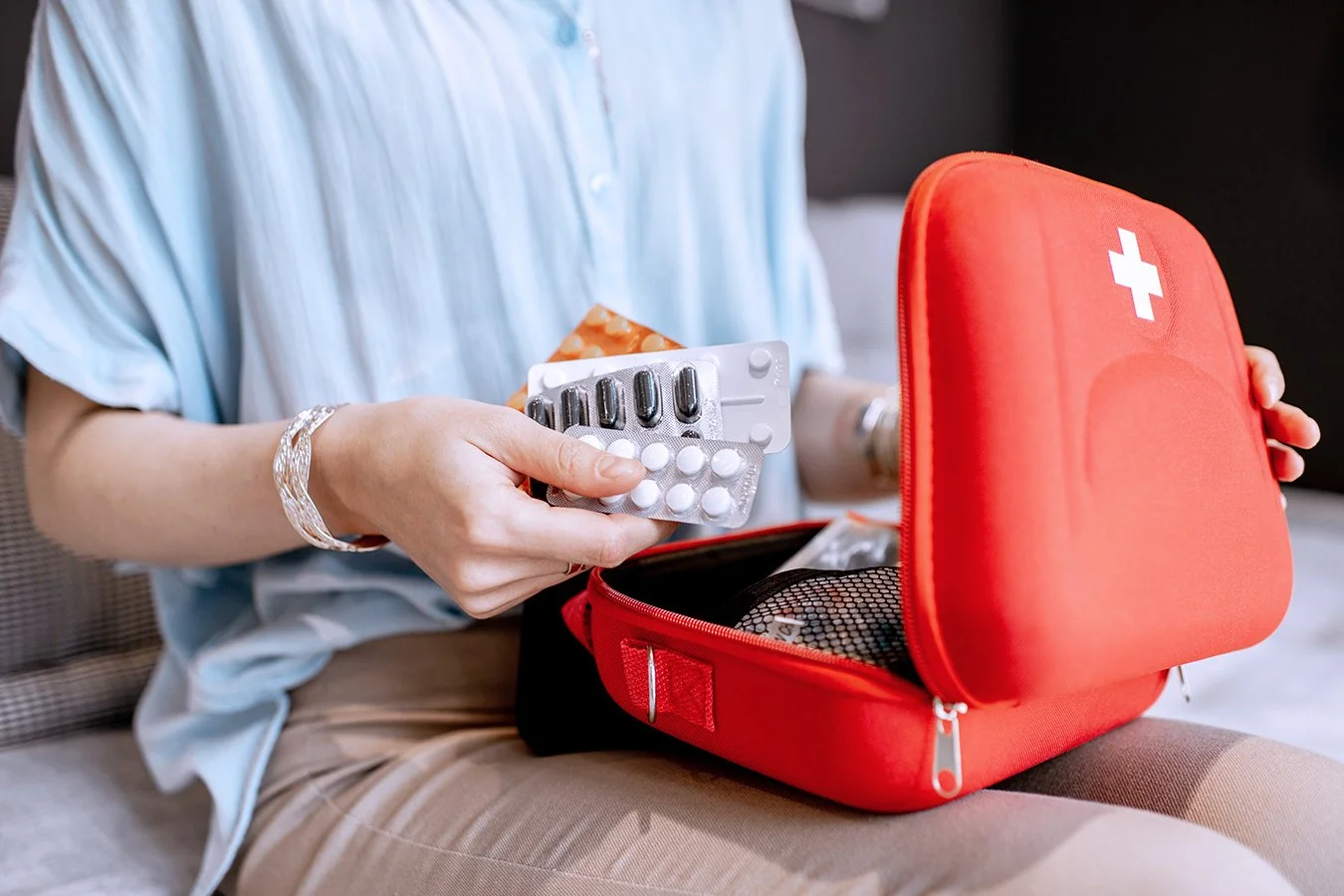
1. A Minimum 7-Day Medication Supply
Prescription meds (rotate regularly)
Over-the-counter essentials (pain, allergy, GI, fever)
Written medication list (drug, dose, timing, prescriber, pharmacy)
2. Medication Temperature Protection
Instant cold packs for insulin and biologics
Insulated medication bag or cooler
Clear label: “Refrigerated Medications – Do Not Freeze”
3. Easy Access to Critical Health Documents
Medication list
Insurance cards
Advance directives / healthcare proxy
Allergies & chronic conditions
(Paper copy + photo on your phone = double coverage)
4. Medical Devices & Supplies
Extra batteries or charging cords
CPAP supplies, inhalers, glucose monitors
Mobility aids (canes, braces, compression)
5. Personal Health Basics People Forget
Eyeglasses/contact supplies
Hearing aid batteries
Compression socks
Hydration packets
Hand sanitizer & basic wound care
6. Emergency Contacts—Written, Not Just Saved
Phones die. Write them down.
Pro Tips
(Because Experience Matters)
Refill meds before storms, not after warnings
You can also review federal emergency preparedness recommendations at Ready.gov.
Ask your pharmacy and CALL YOUR INSURANCE about emergency refills
If you evacuate, meds go with you—always
Don’t assume shelters can manage complex medication needs
If you have parents in assisted living or nursing care make sure you have a kit for them too, don't rely on the staff to have it all for them
Not sure if your plan actually works in real life?
Ask the Advocate—before the emergency, not during it.
✨ Stay confident. Stay informed. Stay Taylormade.