
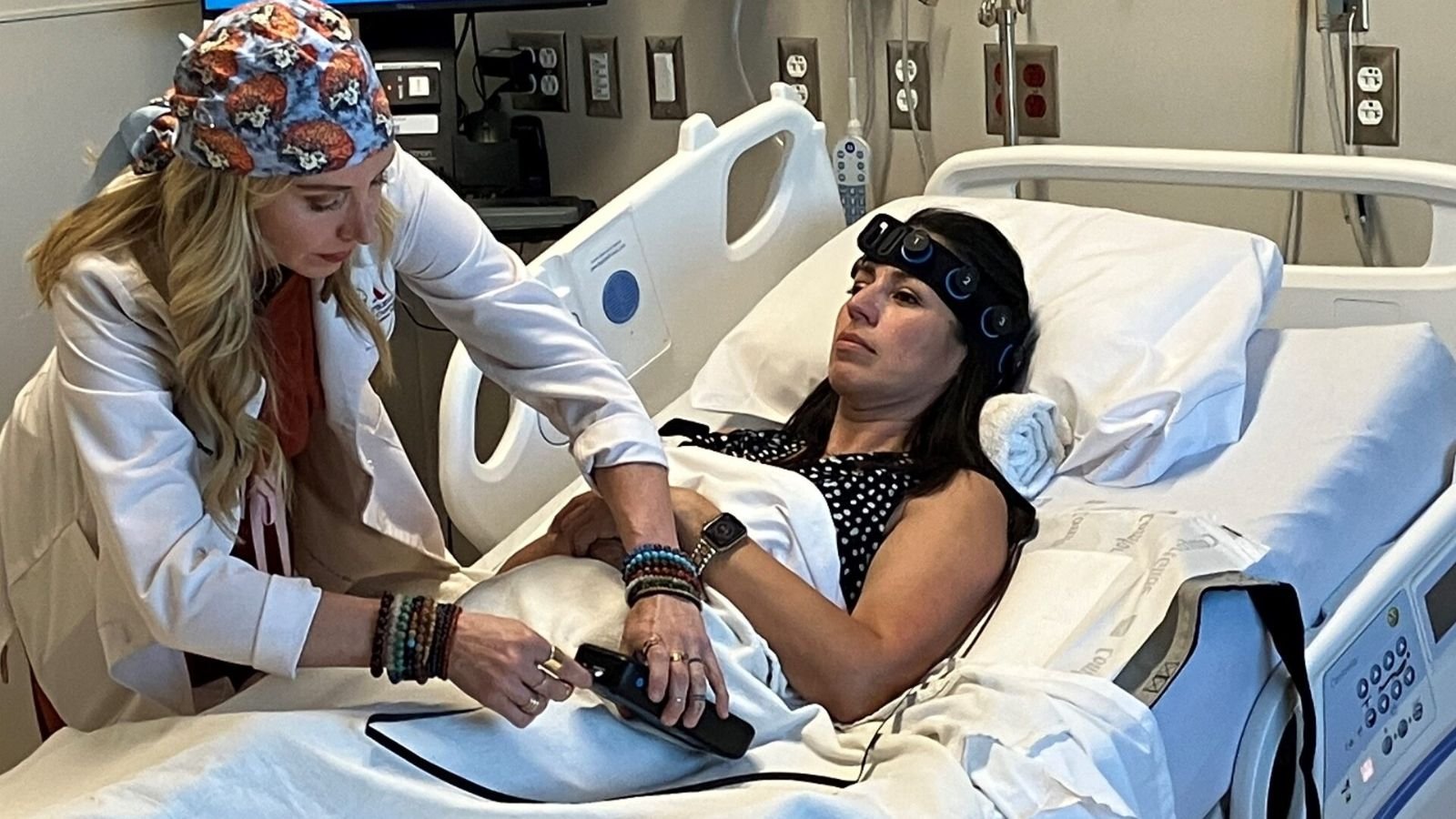
You may not see it, but AI is already part of your hospital stay. Artificial intelligence healthcare safety tools are now embedded in many hospital systems. It doesn’t replace doctors or nurses—but it does influence decisions. The goal isn’t fear. The goal is informed oversight.
AI in hospitals is designed to improve patient safety during hospitalization, but understanding how it works helps families stay engaged and informed.
How AI Is Used in Hospitals Today
AI tools are commonly used to:
Flag abnormal labs or vital signs
Predict patient deterioration
Assist with imaging reads (X-ray, CT, MRI)
Suggest medication dosing or alerts
Support discharge planning and length-of-stay predictions
Important truth: AI supports decisions—it does not make them. Humans are still responsible for hospital AI decision making.
Where AI Can Create Risk
AI is only as good as the data it’s fed. Problems arise when:
Medication lists are outdated
Diagnoses are incomplete or incorrect
Discharge plans are rushed
No one double-checks AI-generated alerts or recommendations
Translation: AI can miss nuance. People can miss AI. That gap is where errors happen—and where patient safety during hospitalization can be compromised.
Questions Patients & Caregivers Should Ask
These questions reduce fear and increase safety:
“Is this recommendation coming from a clinical protocol, AI system, or provider judgment?”
“What data is this decision based on?”
“Has my medication list been manually verified?”
“Who reviews AI alerts—and when?”
“How is my discharge plan being checked for accuracy?”
You’re not being difficult. You’re being responsible.
AI & Transitions of Care (The Danger Zone)
Hospital discharge is where AI + humans + time pressure collide.
This is why transitions of care remain one of the highest-risk moments for patients—especially older adults, those on multiple medications, or anyone going home with new instructions. National data from the Agency for Healthcare Research and Quality (AHRQ) continues to show that discharge communication gaps are a major contributor to preventable harm during hospitalization and care transitions.
Checklists save lives. Assumptions don’t.
Before or during a hospital stay:
Use my transitions of care checklist to double-check what AI and humans might miss
Or book Ask the Advocate so I can help review medications, discharge plans, and red flags—before they become problems
Because safety isn’t about resisting technology. It’s about making sure it’s working for you, not around you.
✨ Stay confident. Stay informed. Stay Taylormade.