
The Best Sunscreen for Older Adults: SPF, Sunscreen, and What You Actually Need
Sunscreen seems simple, right? Buy a bottle. Put it on. Go outside.
Except now we have SPF 30, 50, 70, 100, mineral, chemical, reef-safe, tinted, sport, baby, face, body, sensitive skin, and approximately 900 opinions online.
So let’s make this practical and figure out how to choose the best sunscreen for older adults without getting lost in the marketing.
Is a Higher SPF Always Better?
Not always.
SPF tells us mostly about protection from UVB rays, the rays most responsible for sunburn. According to the American Academy of Dermatology, SPF 30 filters about 97% of UVB rays. Higher numbers filter slightly more, but no sunscreen blocks 100%.
That means SPF 100 is not twice as protective as SPF 50. 😲
The bigger issue is usually not the number. It is that most people do not use enough, do not reapply, or miss spots.
Dermatologists generally recommend choosing a sunscreen that is:
Broad-spectrum
SPF 30 or higher
Water-resistant if sweating or swimming
For daily use, SPF 30 to 50 is usually reasonable. For a long day outside, SPF 50 or higher may make sense, but only if you still reapply. Sunscreen is not a “put it on at 9 a.m. and trust it until dinner” situation. That is sunscreen fantasy camp.
See a pattern here?
Mineral vs. Chemical Sunscreen: Which Is Best for Older Adults?
There are two main types of sunscreen ingredients.
Mineral sunscreens use zinc oxide and/or titanium dioxide. These sit on top of the skin and help block UV rays. The FDA currently recognizes zinc oxide and titanium dioxide as generally recognized as safe and effective when used appropriately.
These are often a good option for:
Sensitive skin
Rosacea-prone skin
Children
People who prefer fewer chemical filters
The downside? Some mineral sunscreens can leave a white cast or feel thicker.
Chemical sunscreens use ingredients like avobenzone, octisalate, octocrylene, homosalate, or oxybenzone. These absorb UV rays and convert them into heat.
These often feel lighter and rub in more easily.
The FDA has asked for more safety data on several chemical sunscreen ingredients. That does not mean they have all been proven dangerous. It means the FDA says more information is needed.
Ingredients I Like to See in Sunscreen for Sensitive or Aging Skin
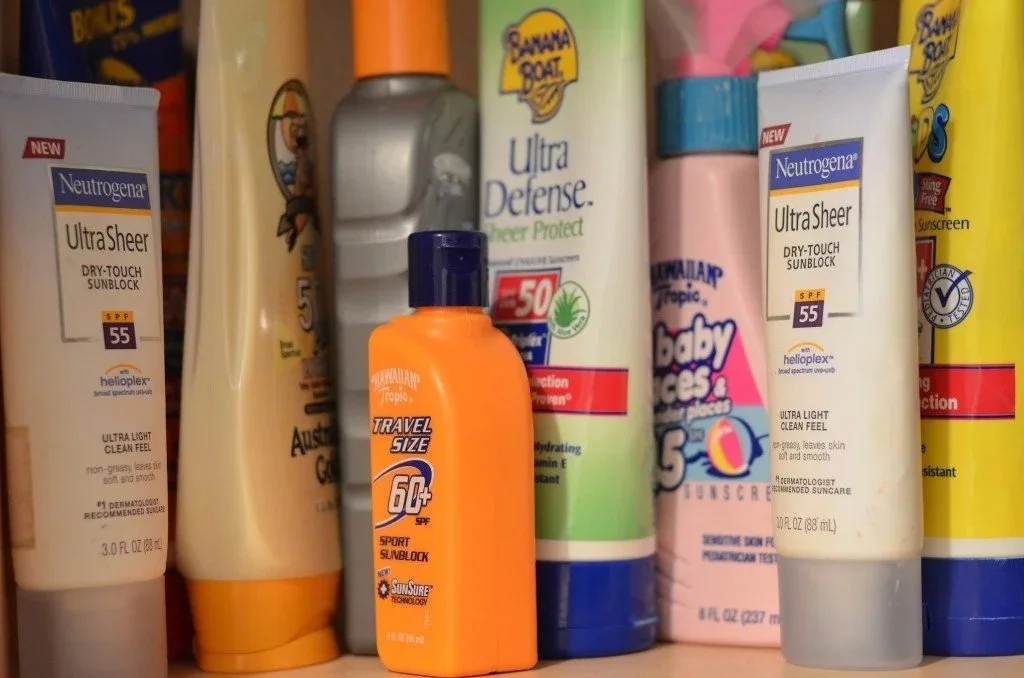
For many older adults, especially those with sensitive or fragile skin (all of you who have worked outside all your life without sunscreen), I like simple formulas.
Good ingredients to look for include:
Zinc oxide
Titanium dioxide
Niacinamide
Ceramides
Hyaluronic acid
Fragrance-free formulas
These can be especially helpful for dry, sensitive, or irritated skin.
Don't Forget the Boring Stuff (It Still Matters)
Sunscreen helps, but it is not the whole plan.
Also use:
Hats
Sunglasses
Shade
Lightweight long sleeves
Avoiding peak sun when possible
Reapplying every two hours when outside
The Skin Cancer Foundation recommends broad-spectrum SPF 30 or higher, reapplying every two hours, and using about one ounce for the whole body.
This Week's Practical Tip
Check your sunscreen bottle.
Look for:
Broad-spectrum
SPF 30 or higher
Expiration date
Water-resistant if needed
Ingredients your skin tolerates
If the bottle is expired, separated, smells odd, or has been living in a hot car since the Bush administration, replace it.
Some Medications Can Increase Sun Sensitivity
Need help sorting through medications, supplements, or skin concerns?
Some medications can increase sun sensitivity, including certain antibiotics, diuretics, acne medications, and others.
If you or someone you care for burns easily, develops rashes, or takes multiple medications, it may be worth reviewing the medication list. Sometimes the challenge isn't the sun at all—it's how aging changes the way our bodies respond to medications. Learn more in our blog, Is It Just Aging or Is It My Medication?
That is exactly what Ask the Advocate can help with.
In one focused session, we can review medications, organize concerns, and identify smart questions for your healthcare provider or pharmacist.
Don't get burned with bad information, schedule an Ask the Advocate session. 👉 Ask the Advocate
✨ Stay confident. Stay informed. Stay Taylormade.
Cheers!
Dr. T