
Navigate. Advocate. Thrive.
Search articles, tools, and real-world guidance to take charge of your care.
For informational purposes only, not meant to be medical advice

Levothyroxine With Breakfast? Maybe. But Don’t Wing It. ☕
Taking levothyroxine with breakfast may work for some people—but only with an adjusted dose, a consistent routine, and follow-up monitoring. Here’s what to discuss with your prescriber before changing how you take your thyroid medication.

Medication Review: The Thread Running Through Every Healthcare Decision
This month's topics seemed unrelated—until you look at the medication list. Learn why a medication review can connect the dots between symptoms, treatments, and better healthcare decisions.

The Best Sunscreen for Older Adults: SPF, Sunscreen, and What You Actually Need
Choosing sunscreen shouldn't feel overwhelming. Learn what SPF really means, the difference between mineral and chemical sunscreen, and how to choose the best sunscreen for older adults.
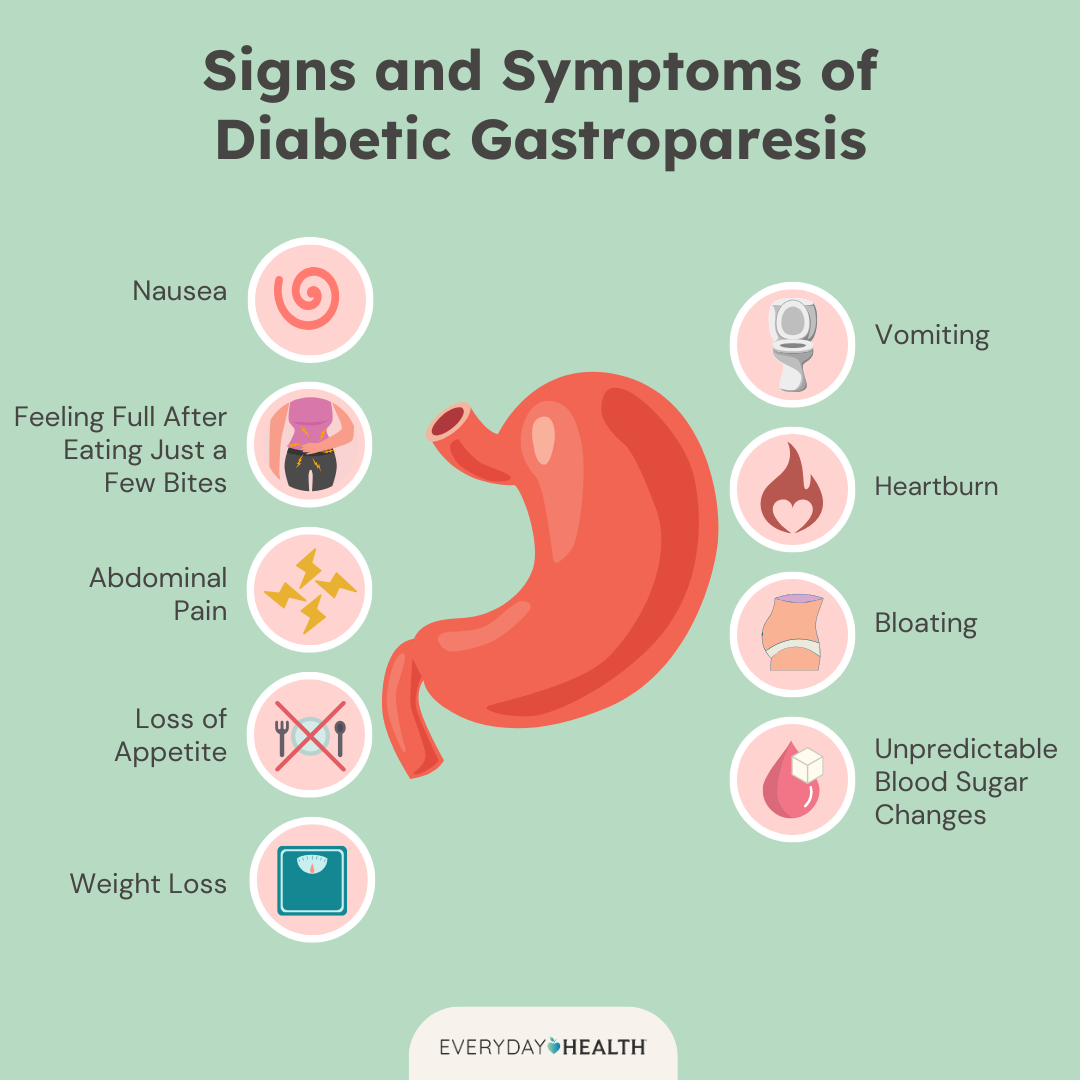
Feeling Full, Bloated, or Nauseated? It May Not Be “Just Aging”
Digestive symptoms like bloating, nausea, reflux, and feeling full quickly are common in older adults—but they shouldn't automatically be blamed on aging. Learn how gastroparesis, medications, and other health conditions may be contributing and what steps can help.

The Shingles Vaccine May Do More Than Prevent a Painful Rash
Research suggests shingles vaccination may be linked to lower dementia risk. Learn what older adults and caregivers should know about Shingrix, prevention, and vaccine records.
Can't See the Forest for the Trees: Polypharmacy in Older Adults
Medication problems rarely happen because of one decision. Learn how polypharmacy in older adults develops when small issues quietly stack up over time.
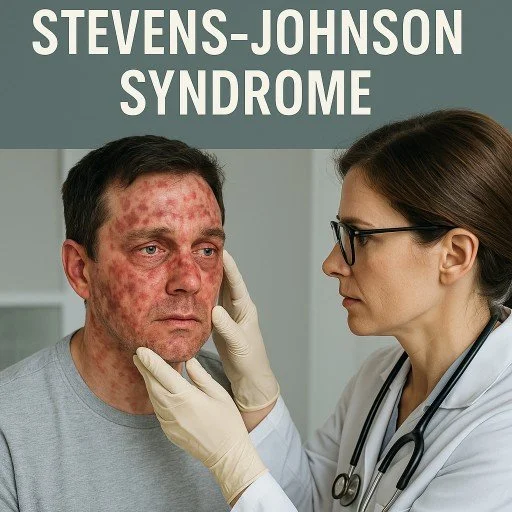
When It’s Not “Just a Rash”
A rash after starting an antibiotic may be harmless—or it may be a warning sign of a serious drug reaction. Learn what to watch for and when to seek help.

“I’ve taken this for years. It works. Why would I stop now?”
Many older adults have taken medications like Xanax, Ativan, or Valium for years without obvious problems. But growing evidence shows that long-term benzodiazepine use may carry significant risks for older adults. Here's what families need to know.
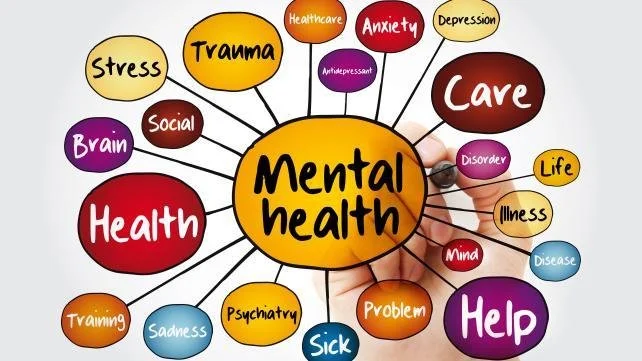
🧠 Mental Health Care: What to Watch, What to Question
Mental health care isn’t always straightforward. When medications change, providers don’t communicate, or concerns get dismissed, risks increase. Here’s what to watch for, what to question, and when to pause for safer, more coordinated care.

How Aging Changes the Way Medications Work | Medication Safety
Your body changes with age—and so does the way your medications work. Learn how metabolism, brain function, and other factors impact drug safety and why regular medication reviews are essential at every stage of life.

Not Just a Pill for Every Ill: Medication Options That Make Life Easier
Medications don’t only come as pills. Changing how a medication is delivered can improve safety, comfort, and adherence — especially for older adults.

CGMs Are Saving Lives!
Continuous Glucose Monitors (CGMs) provide life-saving insights into blood sugar trends. Learn how they work, who they help, and why they’re transforming daily care.

🌿 Thinking About CBD?
Considering CBD? Here's how to prepare and how to talk with your healthcare provider to make sure it’s safe with your medications.

SCARY SITUATION!(The Dangers of Expired Medications)
Nothing is scarier than an unintended drug reaction. Learn why expired medications can be dangerous, how to safely dispose of them, and simple steps to protect yourself and your loved ones year-round.

I Can’t Remember What When!
Medication safety isn’t just about what you take—it’s about how you take it. Learn simple, proven strategies to improve medication compliance and make sure your prescriptions are working for you, not against you.

Too Many Meds? Time to Reconcile!
Poor medication reconciliation is one of the top causes of polypharmacy—when five or more medications are used at once. Learn how a simple yearly review can prevent dangerous drug interactions and improve your quality of life.

Discharge could be more costly than in-patient💵
Medication mix-ups after discharge are common—and dangerous. Learn how to ask for a pharmacist-led medication reconciliation to reduce your risk, avoid readmission, and support a safer recovery.