
You start an antibiotic. A few days later… a rash shows up.
Most people think: “Probably nothing.”
And most of the time—they’re right. But not always.
Some reactions to antibiotics are more than a simple rash. And when it comes to antibiotic safety in older adults, missing the early signs can turn into a much bigger problem.
What Kind of Reactions Are We Talking About?
Let’s keep this simple.
There are mild reactions—and then there are serious antibiotic reactions.
Mild reactions might look like:
Light rash
Itching
Small bumps
These still need attention—but they’re usually not dangerous.
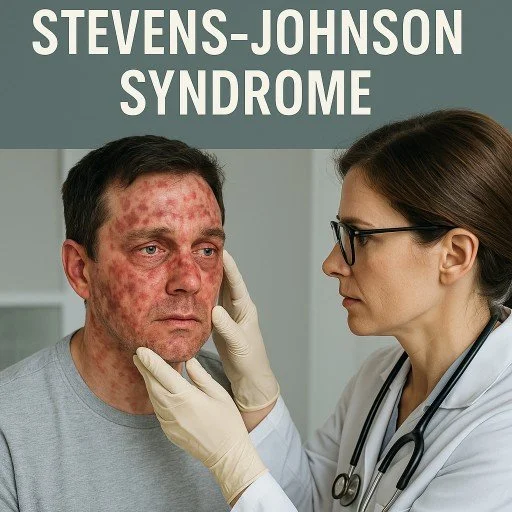
Serious reactions look different. They often start like you’re coming down with something, then the skin gets involved.
Watch for:
Fever after starting the antibiotic
Feeling achy or flu-like
A rash that spreads quickly
Skin that feels painful or tender (not just itchy)
Blisters
Peeling skin
Sores in the mouth or eyes
Swelling in the face
These are signs of a possible serious drug reaction—not something to ignore. Want to learn more about medication allergies and serious drug reactions? The Mayo Clinic's guide to drug allergiesprovides additional information about symptoms, causes, and when to seek medical care.
Which Antibiotics Are More Likely to Cause This?
Not every antibiotic carries the same risk.
The ones more commonly linked to antibiotic side effects and severe skin reactions include:
Sulfa antibiotics (like Bactrim or Septra)
Cephalosporins (like cephalexin/Keflex)
Penicillins (like amoxicillin)
Fluoroquinolones (like ciprofloxacin or levofloxacin)
Nitrofurantoin (often used for urinary tract infections in older adults)
Important: These reactions are RARE. But when they happen, recognizing them early is key to medication safety for seniors.
When to Call… and When to Act Fast
Call the doctor if you notice:
A new rash after starting an antibiotic
Itching or hives
Mild swelling
Don’t wait—seek urgent care if you see:
Blisters
Peeling skin
Sores in the mouth, eyes, or genitals
Trouble swallowing or breathing
High fever with a rash
A rash that’s spreading quickly
Sudden confusion or extreme weakness
When it comes to antibiotic reactions in older adults, timing matters.
Let’s Talk About “Penicillin Allergy”
This one causes a lot of confusion.
Many people say they have a penicillin allergy, but:
Sometimes it was a mild rash years ago
Sometimes it wasn’t a true allergy at all
Here’s what matters:
If someone has had a serious antibiotic reaction, especially with blistering or peeling skin, that needs to be taken seriously going forward. Some antibiotics are related, so a past reaction can affect what should—or shouldn’t—be used next.
Bottom line:
Not all medication allergies are equal—and not all should be ignored
Questions to Ask Before Taking the Antibiotic
Before you start, ask:
What is this medication treating?
Have I taken this—or something like it—before?
What antibiotic side effects should I watch for?
If I get a rash, what do I do—stop or call?
Is this the safest antibiotic for me?
What if something happens after hours—who do I call?
These questions take 30 seconds—and can prevent a serious medication safety issue.
Most antibiotics do exactly what they’re supposed to do. But when something feels off—especially early on—pay attention. Because catching a serious drug reaction early can make all the difference.
If you’ve had a reaction to a medication and you’re not sure what it means—or what to avoid next—that’s exactly what we sort through. Start here👉 Ask the Advocate
✨ Stay confident. Stay informed. Stay Taylormade.
Cheers!
Dr. T
NEW! Put a pharmacist in your back pocket for $39/month
Click 👉 Back Pocket Pharmacist 👖