
No Mandatory Bingo Required
Staying Social Is Part of Staying Well
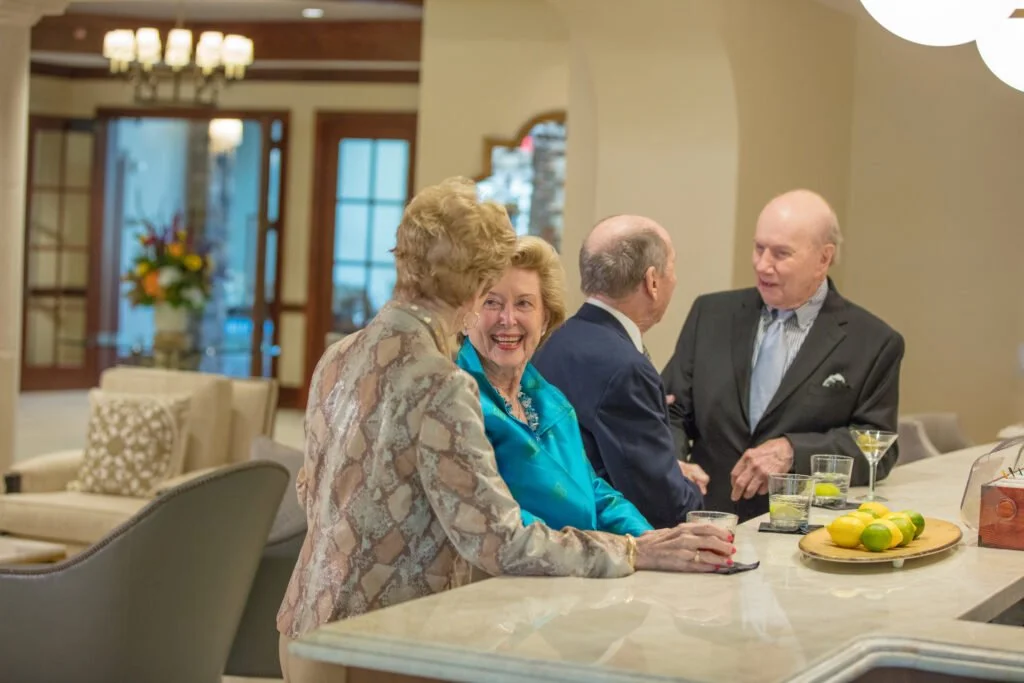
Living a full life is not only about physical health, independence, or having plans on the calendar.
It is also about feeling connected to other people.
As we age, social circles often change. Retirement, relocation, caregiving, hearing loss, mobility changes, illness, and the loss of friends or a spouse can all make connection harder than it used to be.
Sometimes isolation happens slowly, one declined invitation at a time.
Connection Supports More Than Mood
Regular social connection can provide:
Structure
Purpose
Encouragement
Accountability
Mental stimulation
Something to look forward to
Connection does not have to mean a packed social calendar. One dependable lunch date, a weekly class, a faith community, a volunteer role, or a regular phone call may be enough to make a meaningful difference.
The goal is not to stay busy just to stay busy.
The goal is to remain part of something.
Make Connection Easier
Start with what already feels familiar.
That may mean:
Reconnecting with an old friend
Returning to a group once enjoyed
Inviting someone for coffee
Joining a class
Volunteering in a small way
Scheduling a regular family call
Good places to look include libraries, senior centers, recreation programs, faith communities, volunteer organizations, lifelong-learning programs, book clubs, and local interest groups.
Technology can also help when transportation, distance, weather, or health makes in-person participation harder.
Health Changes Can Get in the Way
Sometimes the barrier is not lack of interest.
It may be:
Fatigue
Pain
Hearing changes
Medication side effects
Anxiety or depression
Incontinence
Fear of falling
Transportation problems
When someone stops participating in activities they once enjoyed, it is worth asking why.
The answer may be a health concern that can be treated, managed, or accommodated. A shorter outing, better hearing support, transportation help, or a medication review may be enough to make participation possible again.
Connection Should Fit the Person
Not everyone wants a large social circle.
Some people thrive in groups. Others prefer one-on-one visits, quiet shared activities, or smaller gatherings.
The best form of connection is the one the person enjoys and will actually continue.
Forced fun is still forced. Nobody needs mandatory bingo trauma.
Need Help Sorting It Out?
When someone starts pulling back from life, it may be about more than loneliness. Health concerns, medications, mobility, transportation, confidence, and family dynamics may all be part of the picture.
That is where many people get stuck.
Ask the Advocate is a good place to start when you notice something has changed but are not sure what is getting in the way or what kind of support may help.
Schedule an Ask the Advocate session. 👉 Ask the Advocate
You bring the concern. I help you sort through the moving pieces so you can take the next step with more confidence and control.
✨ Stay confident. Stay informed. Stay Taylormade.