
Most medicine cabinets are full. But that doesn’t mean they’re safe.
In fact, I see the opposite all the time— expired medications, duplicate products, risky combinations, and things being used “just in case.”
More isn’t better. Safer is better.
What should actually be in the cabinet?
According to guidance highlighted by the American Pharmacists Association, a safe medicine cabinet for older adults should be intentional, simple, and focused on medication safety.
Think less “just in case” and more “ready when needed.”
Core categories for a senior medicine cabinet include:
Pain and fever relief (like acetaminophen)
Allergy relief
Digestive support (constipation, diarrhea, heartburn)
Cold and flu symptom relief
First aid basics
That’s it. No need for a pharmacy aisle at home.
The part most people miss
It’s not just what you have. It’s how it interacts with everything else.
Over-the-counter (OTC) medications are often treated like they don’t count.
They do.
And when it comes to medication safety in older adults, OTC medications can:
Interact with prescription medications
Worsen chronic conditions
Increase risk of falls, confusion, or bleeding
Common examples I see:
Multiple products with the same ingredient (like acetaminophen)
“PM” medications causing next-day grogginess and fall risk
Certain allergy or sleep medications causing confusion or memory issues
NSAIDs (like ibuprofen) affecting kidneys, stomach, or blood pressure
No one connects the dots—until something goes wrong. If you're concerned that you or a loved one may be taking too many medications, read 3 Steps for Safer Medications | Comprehensive Medication Review Tips — Taylormade to learn the warning signs and how medication reviews can reduce risk.
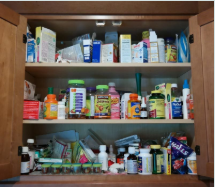
Medication safety > medication quantity
A “good” medicine cabinet isn’t full.
It’s thought through.
For better medication management for seniors, aim for:
One product per purpose
Clear labeling
Nothing expired
Nothing duplicated
Nothing added without checking
Simple. Boring. Safe.
Exactly what you want.
A quick safety check you can do today
Open the cabinet and ask:
Do I know what each medication is for?
Do any of these overlap?
Are any expired?
Could any of these interact with my prescriptions?
When was the last time someone reviewed all of this together?
If you hesitate on any of those… that’s your sign. The FDA also recommends regularly reviewing all medications—including over-the-counter products and supplements—and discussing any concerns with your healthcare team. 5 Medication Safety Tips for Older Adults | FDA
The real goal
The goal isn’t to be prepared for everything. It’s to avoid preventable medication problems.
Because many issues with medications in older adults don’t start with prescriptions.
They start in the medicine cabinet.
If you want a second set of eyes on medications—prescription and over-the-counter—that’s exactly what we do. We look at the full picture so small issues don’t turn into bigger ones.
Start your cabinet review here 👉 Ask the Advocate
✨ Stay confident. Stay informed. Stay Taylormade.
Cheers!
Dr. T