
Sleep Changes with Age: When to Look Beyond Medication
Many people notice their sleep changes as they get older.
You may:
Fall asleep earlier
Wake earlier
Sleep more lightly
Or wake more often during the night
Some of this is completely normal.
But persistent insomnia, daytime exhaustion, new confusion, or frequent nighttime waking deserves a closer look.
Unfortunately, sleep problems are often treated quickly with medication.
And that’s where things can start to spiral.
Trouble sleeping → prescription sleep aid → morning grogginess → increased fall risk → another medication added
Sound familiar?
This is how people end up right back in the prescribing cascade. Too Many Meds? Time to Reconcile!
Sleep medications—especially in older adults—can carry real risks:
Falls and fractures
Confusion or memory issues
Daytime sedation
Medication dependence
Quick fix… not always the safest fix.
What Might Actually Be Causing Sleep Issues?
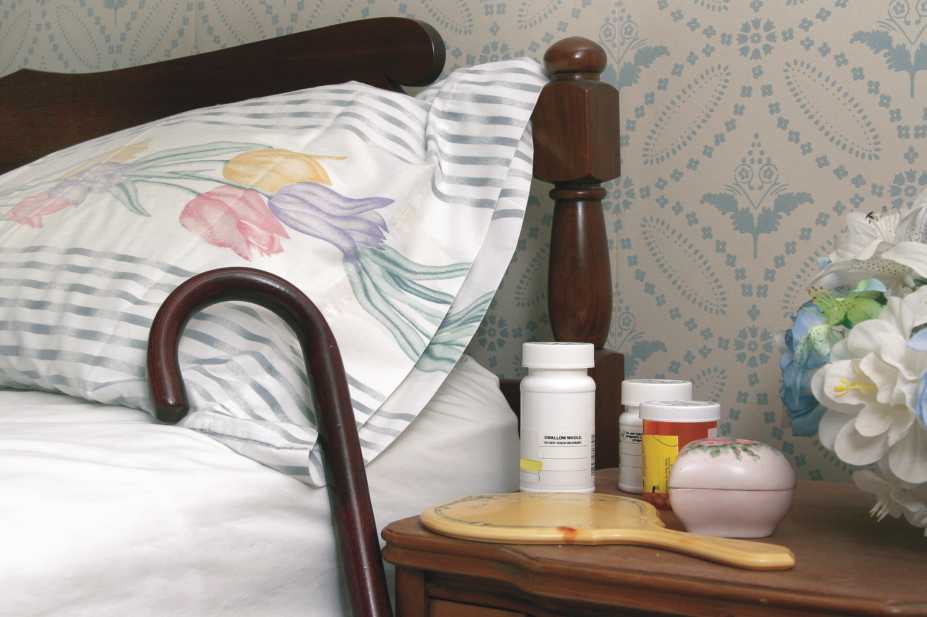
Before reaching for a sleeping pill, it’s worth asking a better question:
Could something else be interfering with sleep?
Common culprits include:
Pain that isn’t well controlled
Anxiety or depression
Medication side effects
Late-day caffeine or alcohol
Poor sleep routines
Sleep apnea (more common than most people realize)
Sometimes the issue isn’t sleep itself—it’s something disrupting it.
Simple Habits That Still Matter
The basics still go a long way:
Go to bed and wake up at consistent times
Get sunlight and movement during the day
Limit screen time in the evening
Avoid heavy meals late at night
Keep the bedroom cool and dark
Not flashy. Not expensive. Still wildly effective.
Sleep plays a major role in brain health, mood, and overall medication safety.
If sleep has changed significantly, it’s worth stepping back and looking at the whole picture before adding another prescription.
Because sometimes the safest solution isn’t another medication—
it’s understanding what’s really going on.
Get a second pair of eyes and ears with Ask the Advocate.
✨ Stay confident. Stay informed. Stay Taylormade.